Get Furnace Maintenance
Furnace maintenance services help property owners prevent breakdowns, improve efficiency, and ensure safe operation through tune-ups, inspections, cleaning, and part replacements by local contractors.
If you're considering furnace maintenance, you're in the right place to explore your options. Regular upkeep is essential for ensuring your heating system operates efficiently and reliably, especially during colder months. Property owners in the area often look into maintenance services to prevent unexpected breakdowns, extend the lifespan of their equipment, and maintain consistent comfort throughout their spaces. By comparing local contractors, you can find trusted professionals who understand the specific needs of properties in the community and can help keep your furnace running smoothly.
Continuing with your planning process, it’s helpful to evaluate the range of services available from nearby providers. Many local service providers specialize in comprehensive furnace care, offering solutions that can fit various property types and operational requirements. Exploring these options allows you to make informed decisions about maintaining your heating system, ensuring it remains effective and dependable year-round. Keep reading to learn more about how local contractors can support your furnace maintenance needs.
- Furnace tune-up - needed when a furnace is not operating efficiently or shows signs of irregular performance.
- Thermostat calibration - required if the heating system is cycling improperly or the temperature feels inconsistent.
- Blower motor repair - necessary when the furnace blower is making unusual noises or not turning on at all.
- Filter replacement - essential when airflow decreases or the system is experiencing dust buildup.
- Ignition system servicing - needed if the furnace fails to ignite or has trouble maintaining a consistent heat output.
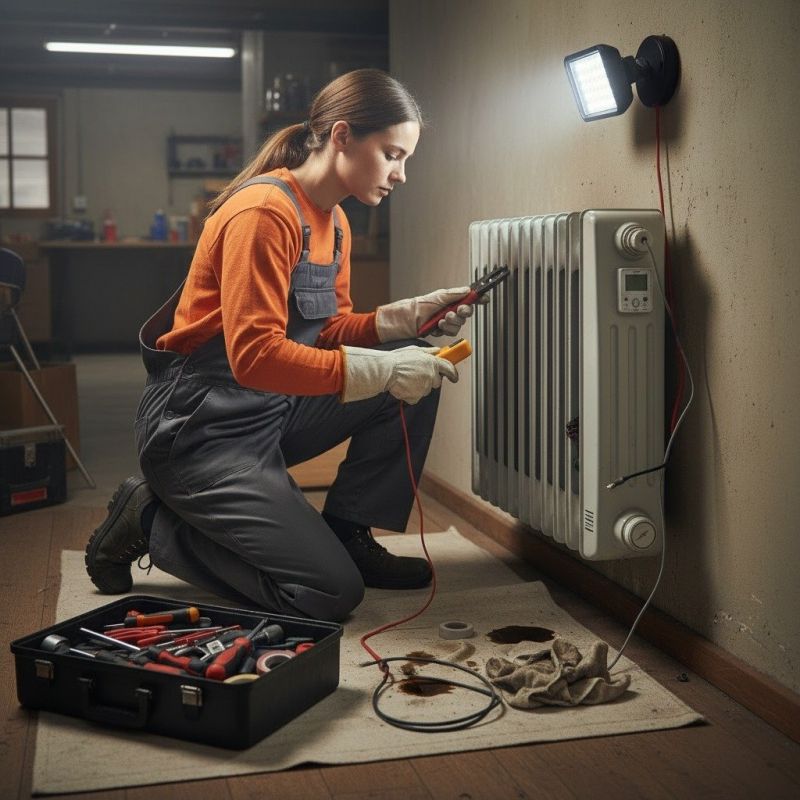
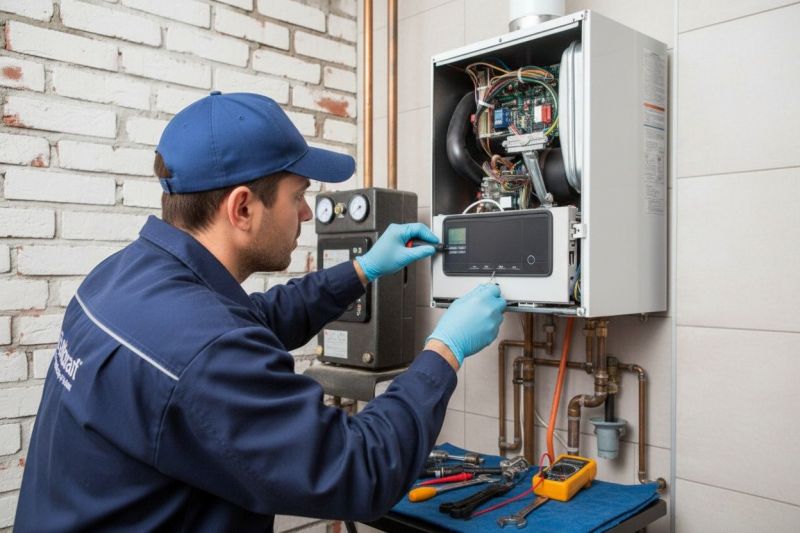
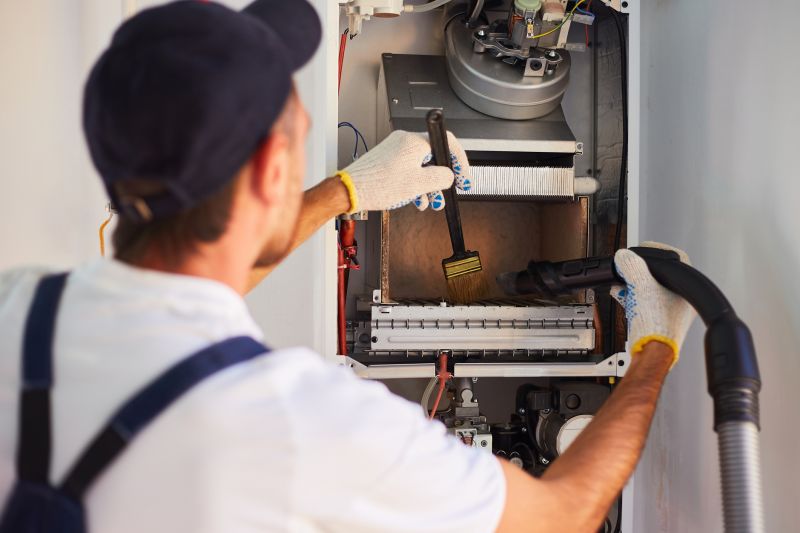
Furnace maintenance services involve routine inspections, cleaning, and adjustments to ensure that heating systems operate efficiently and reliably throughout the colder months. These services typically include checking the furnace’s components, such as filters, burners, and electrical connections, to identify any signs of wear or potential issues. Regular maintenance helps keep the system running smoothly, reducing the likelihood of unexpected breakdowns and extending the lifespan of the furnace. Homeowners can benefit from scheduled upkeep to maintain consistent heating performance and avoid costly repairs caused by neglect.
Addressing common problems is a key focus of furnace maintenance. Over time, dust, dirt, and debris can accumulate within the system, leading to reduced airflow and decreased efficiency. Additionally, parts such as filters and ignitors may become worn or dirty, causing the furnace to cycle improperly or fail to start altogether. Maintenance services help identify and resolve these issues early, preventing minor problems from escalating into larger, more expensive repairs. This proactive approach ensures that the heating system remains dependable during the coldest days of the year.
Furnace maintenance is suitable for a variety of property types, including single-family homes, multi-unit residential buildings, and small commercial spaces. Homes that rely on central heating systems or older furnaces benefit greatly from regular checkups to maintain optimal operation. Commercial properties with larger or more complex heating setups also require periodic maintenance to ensure consistent climate control and energy efficiency. Regardless of property size or type, scheduling routine furnace upkeep can help homeowners and property managers avoid disruptions and maintain a comfortable indoor environment.
Knowing when to seek furnace maintenance can save time and prevent discomfort. Signs that indicate a need for service include uneven heating, increased energy bills, strange noises during operation, or frequent system cycling. If a furnace is not turning on or is producing unusual smells, it’s advisable to contact a local contractor for a thorough inspection. By staying proactive with maintenance, property owners can ensure their heating systems remain dependable and efficient, especially during the cold months when a fully functional furnace is essential for comfort and safety.
The overview below groups typical Furnace Maintenance projects into broad ranges so you can see how smaller, mid-sized, and larger jobs often compare in your area.
In many markets, a large share of routine jobs stays in the lower and middle ranges, while only a smaller percentage of projects moves into the highest bands when the work is more complex or site conditions are harder than average.
Smaller Repairs - typical costs for routine furnace repairs usually range from $250 to $600. Many common fixes fall within this middle band, making it a manageable expense for most homeowners.
Component Replacements - replacing parts like thermostats or igniters generally costs between $150 and $400. These repairs are often straightforward and fall into the lower to mid-range of typical project costs.
Preventive Maintenance - seasonal tune-ups and inspections typically cost between $100 and $300. Many service providers offer packages within this range, though prices can vary based on the scope of service.
Full Furnace Replacement - installing a new furnace can range from $3,500 to over $7,000 for standard models. Larger, more complex projects or high-efficiency systems can reach $10,000+ but are less common for typical installations.
Actual totals will depend on details like access to the work area, the scope of the project, and the materials selected, so use these as general starting points rather than exact figures.
HVAC System Installations - Local contractors often handle the installation and setup of heating systems, requiring similar planning and technical skills as furnace maintenance.
Boiler Repair Services - Specialists in boiler repair share expertise with furnace technicians, focusing on heating system troubleshooting and component replacement.
Air Duct Cleaning - Duct cleaning involves understanding HVAC airflow and system components, aligning with the skills used in maintaining furnaces.
Thermostat Installation - Installing and configuring thermostats requires knowledge of HVAC controls, which complements the skills used in furnace upkeep.
Heating System Troubleshooting - Diagnosing issues in various heating equipment involves similar problem-solving skills as furnace maintenance.
Ventilation System Services - Working on ventilation systems involves planning and technical work related to HVAC system performance, akin to furnace service tasks.
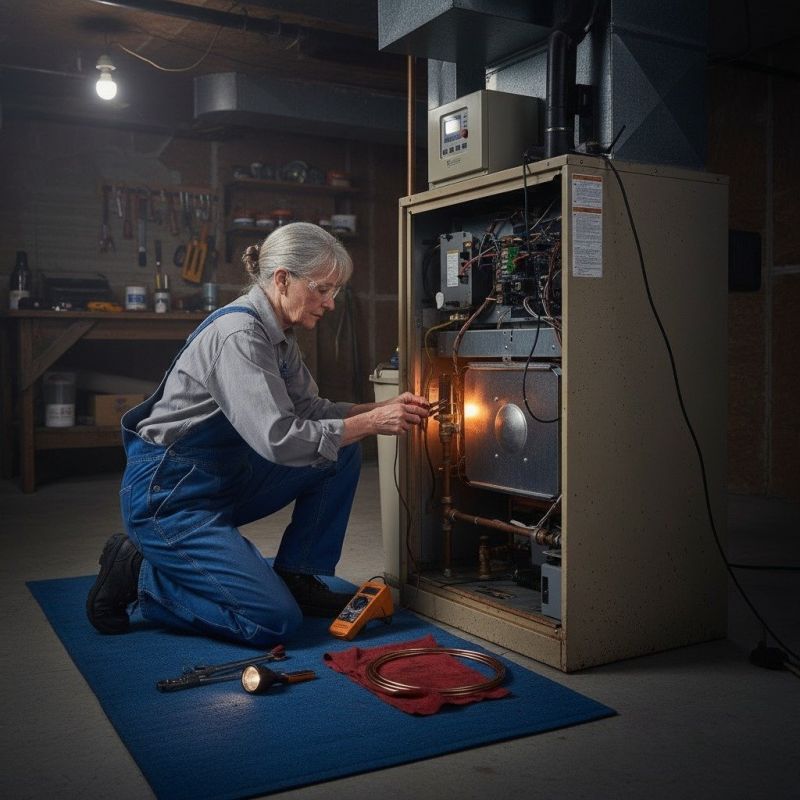
When comparing local contractors for furnace maintenance, it’s helpful to consider their experience with similar projects. Homeowners can inquire about how long a service provider has been working in the area and whether they have handled furnace maintenance tasks comparable to the current needs. An experienced contractor is often more familiar with different furnace models and common issues, which can lead to more efficient and effective service. Ensuring that a service provider has a proven track record with similar projects can provide added confidence in their ability to deliver quality results.
Clear written expectations are essential when evaluating local service providers. Homeowners should seek out contractors who can provide detailed descriptions of the services they offer, including what is included and any potential additional costs. Having a transparent scope of work helps prevent misunderstandings and ensures that both parties are aligned on the project’s objectives. It’s also beneficial to confirm that the contractor’s approach aligns with the homeowner’s specific needs, making it easier to assess whether the provider is well-equipped to handle the job.
Reputable references and good communication are key factors in selecting a reliable furnace maintenance provider. Homeowners can ask service providers for references from previous clients who had similar work done, giving insight into their professionalism and quality of service. Additionally, a contractor who communicates clearly and promptly can make the process smoother and more predictable. Good communication includes answering questions thoroughly and providing updates, which helps build trust and confidence in the contractor’s ability to manage the project effectively. It’s important to remember that this site introduces homeowners to local options, not that it performs the work itself.
Property owners use Furnace Maintenance services for practical projects around their homes and businesses. This guide focuses on everyday jobs and straightforward project options.
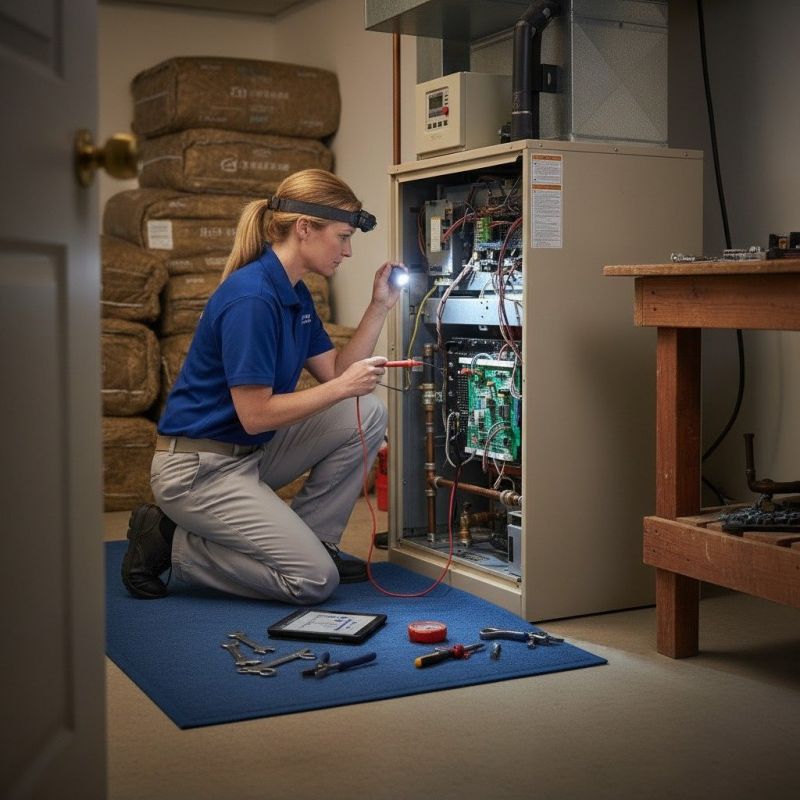
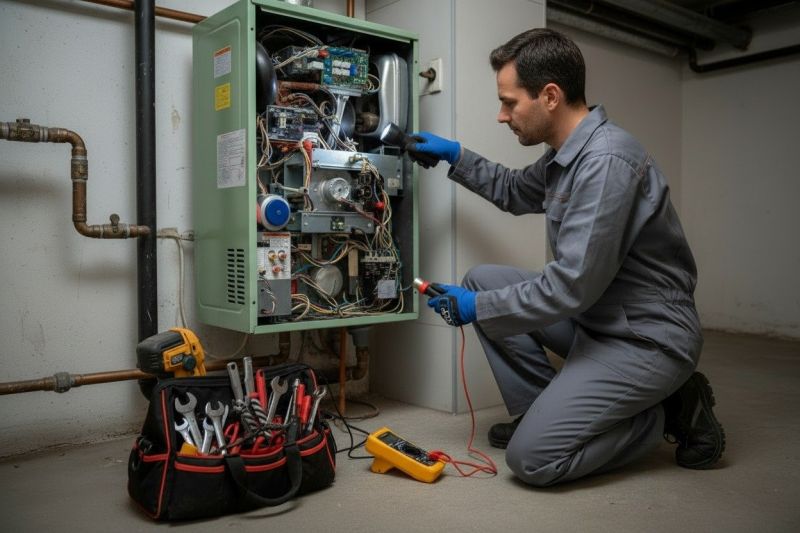
Furnace maintenance is a common need for property owners who want to ensure their heating systems operate efficiently throughout the colder months. Routine inspections, filter replacements, and system tune-ups help prevent unexpected breakdowns and maintain consistent warmth inside the property. Local contractors often handle these tasks, providing services that keep heating systems running smoothly and help avoid costly repairs down the line.
Many property owners seek furnace maintenance services when they notice signs such as uneven heating, increased energy bills, or strange noises from the equipment. Regular upkeep by experienced service providers can extend the lifespan of the furnace and improve overall home comfort. Connecting with local professionals ensures that these routine tasks are performed correctly, supporting reliable and efficient heating performance year-round.
Why is regular furnace maintenance important? Regular furnace maintenance helps ensure the system operates efficiently, reduces the risk of breakdowns, and extends its lifespan. Local contractors can perform inspections and tune-ups to keep the furnace in good condition.
What services are included in furnace maintenance? Furnace maintenance typically includes cleaning components, inspecting for issues, testing system performance, and replacing filters if needed. Service providers can customize maintenance plans based on the furnace model.
How often should a furnace be maintained? It is generally recommended to schedule maintenance once a year, ideally before the heating season begins. Local service providers can advise on the best maintenance schedule for specific systems.
What are signs that a furnace needs maintenance? Signs include inconsistent heating, strange noises, increased energy bills, or frequent system cycling. Contact local contractors for an inspection if these issues occur.
Can furnace maintenance improve energy efficiency? Yes, regular maintenance can improve the furnace’s efficiency by ensuring it runs smoothly and consumes less energy, helping to optimize performance during the heating season.
Preventive Furnace Maintenance - Regular service can help property owners ensure their heating system runs efficiently throughout the season.
Seasonal System Checkups - Scheduling inspections before peak usage times can help identify potential issues early.
Filter Replacement Services - Professional filter changes can improve indoor air quality and system performance.
Emergency Repair Readiness - Having local contractors on standby ensures quick response for unexpected furnace problems.
If you are thinking about Furnace Maintenance for a property, this guide is meant to help you understand the work, the typical project types, and how different options might fit your plans.
When you are ready, you can use the quote form on this page to share a few details about your project. From there, local pros can review the basics and respond with options that match what you have in mind.